The bulk of my EEP is a freelance project with the goal to create a pool-side drink serving product called the "PoolTender." Unfortunately, early work on the project was difficult due some client unresponsiveness. However, I was able to complete the project on time and with all deliverables met.
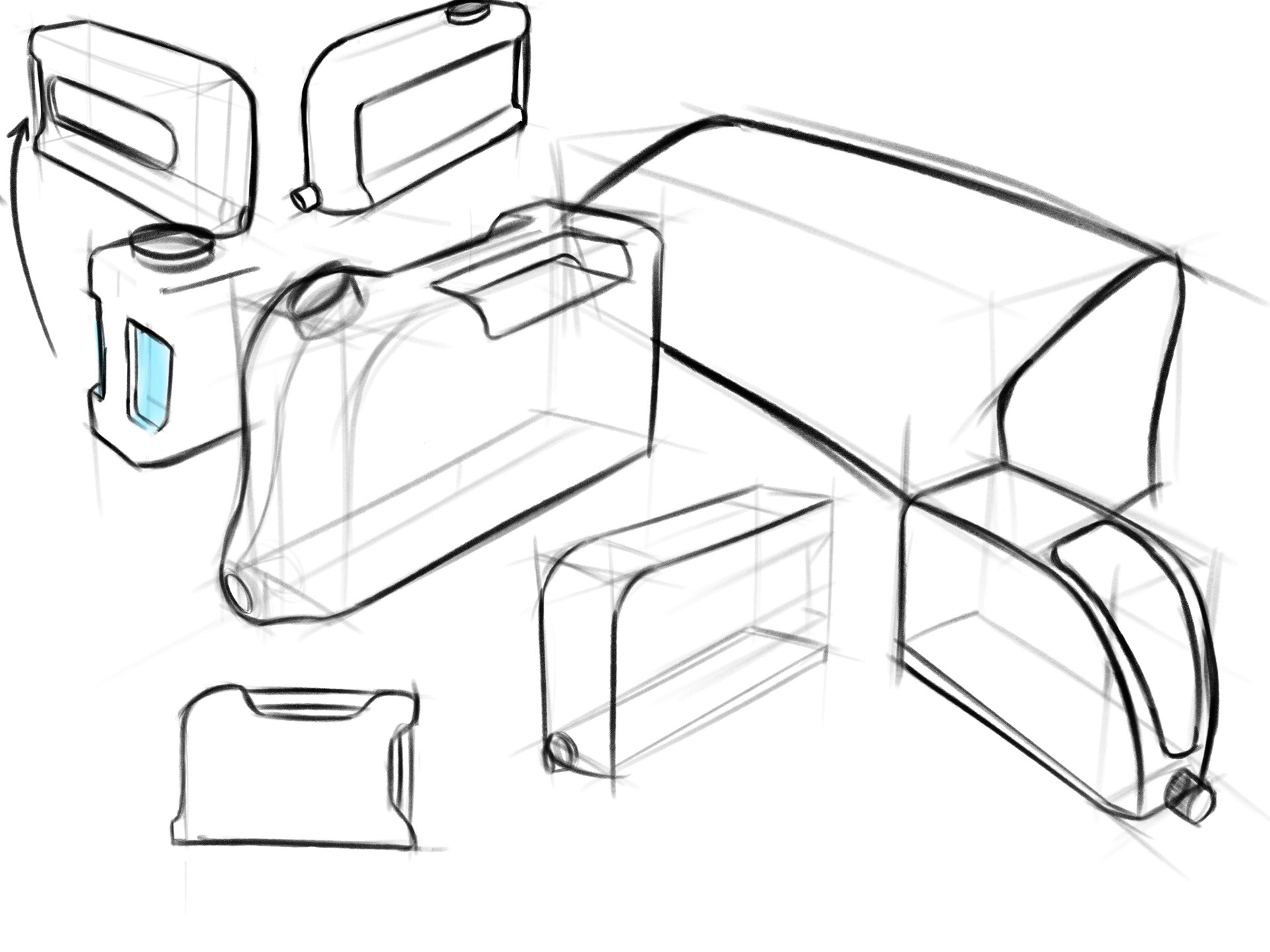
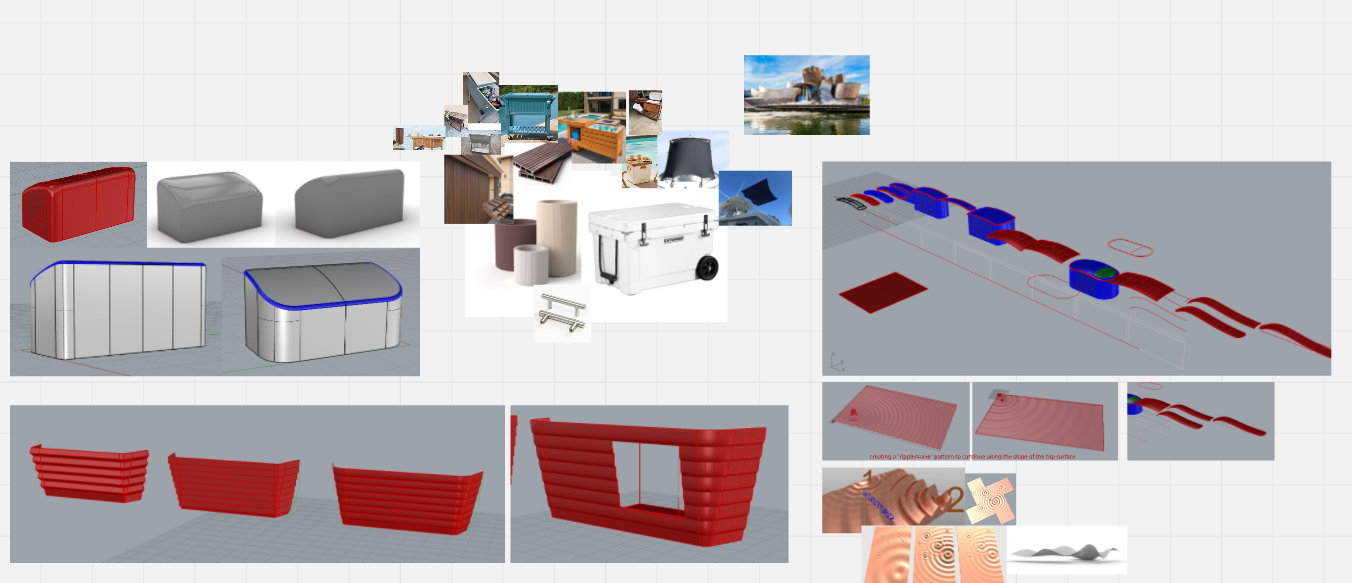
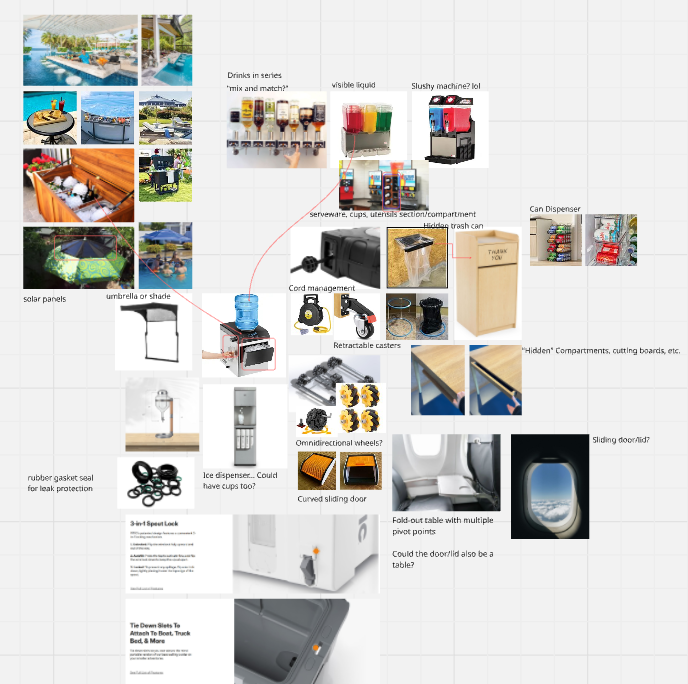
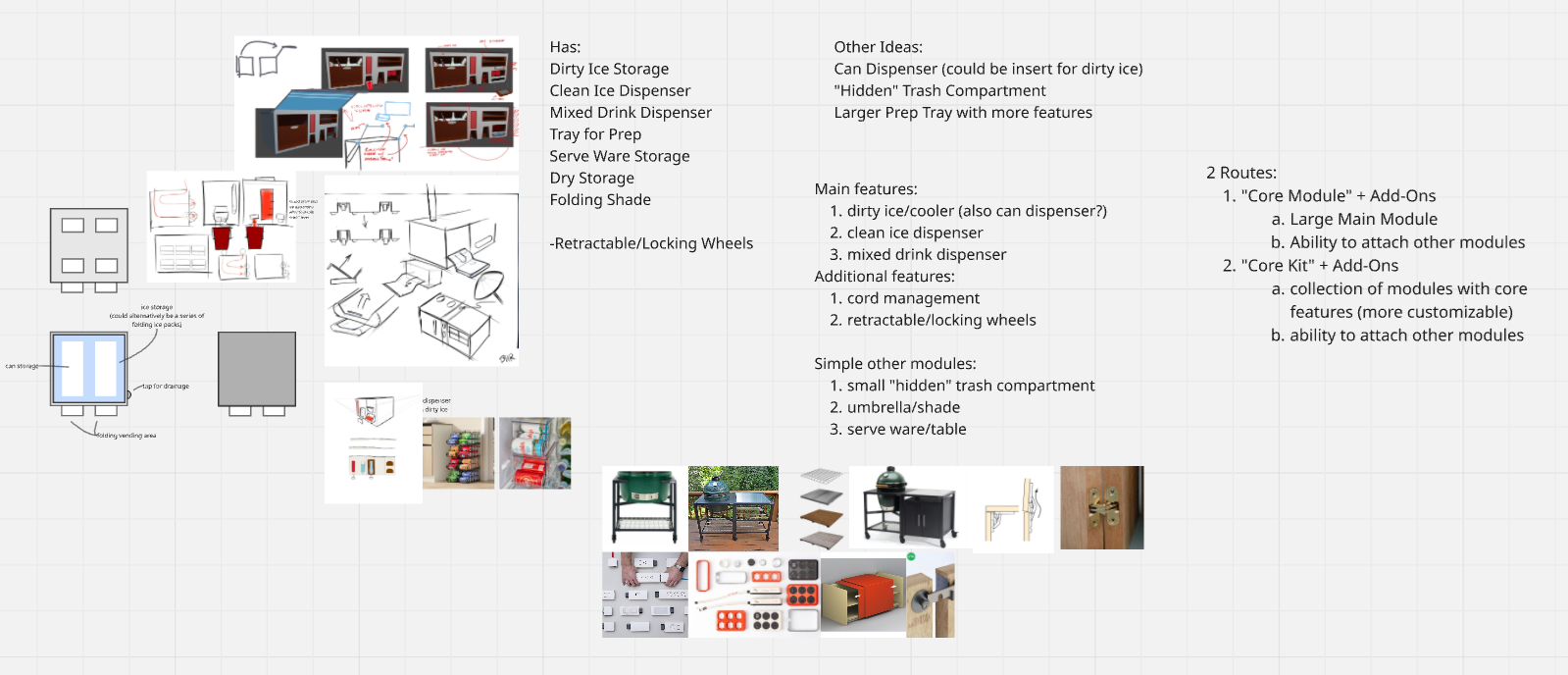
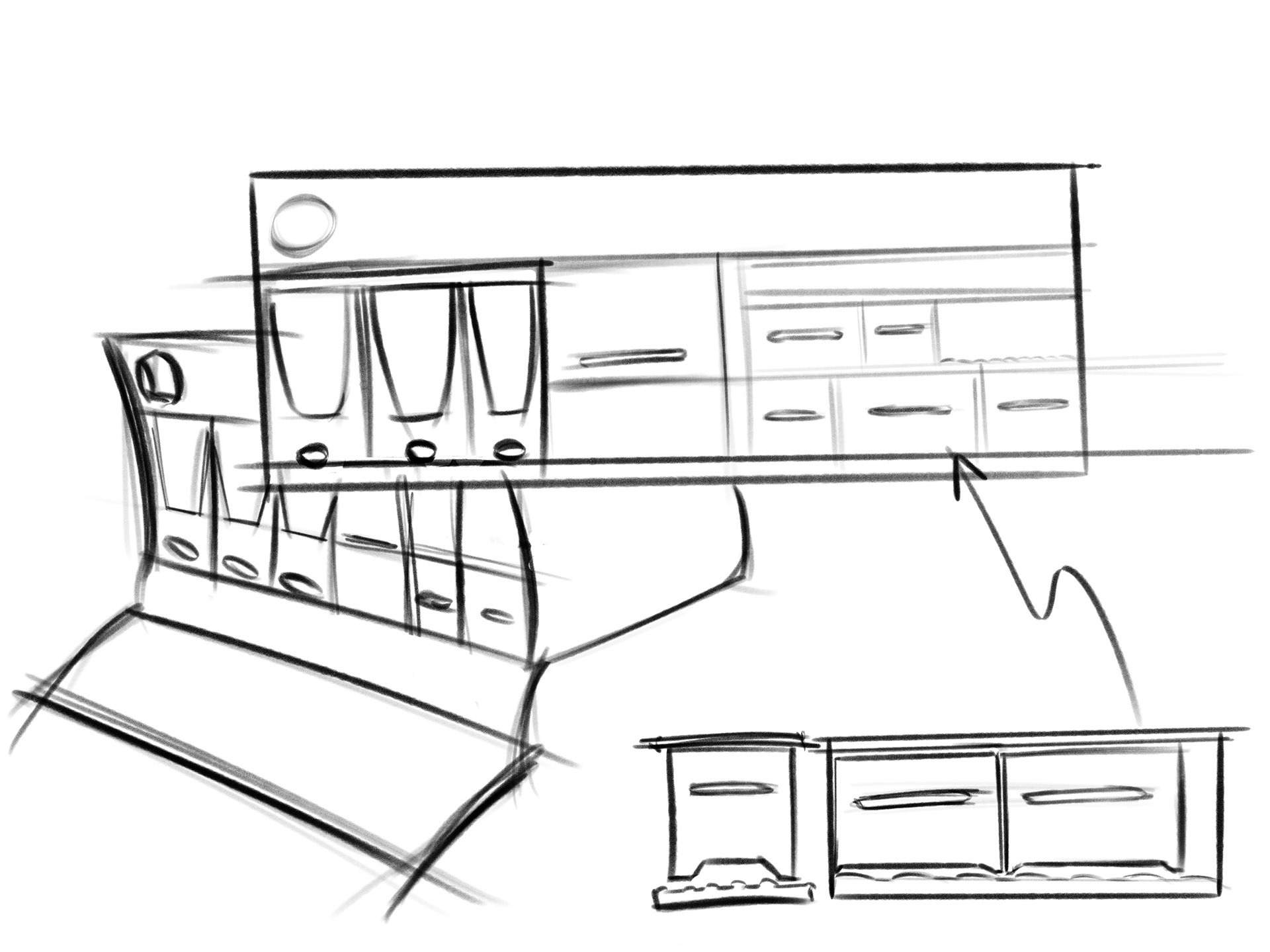
I have included sketches, CAD screenshots, renders, and work from the Miro board below.
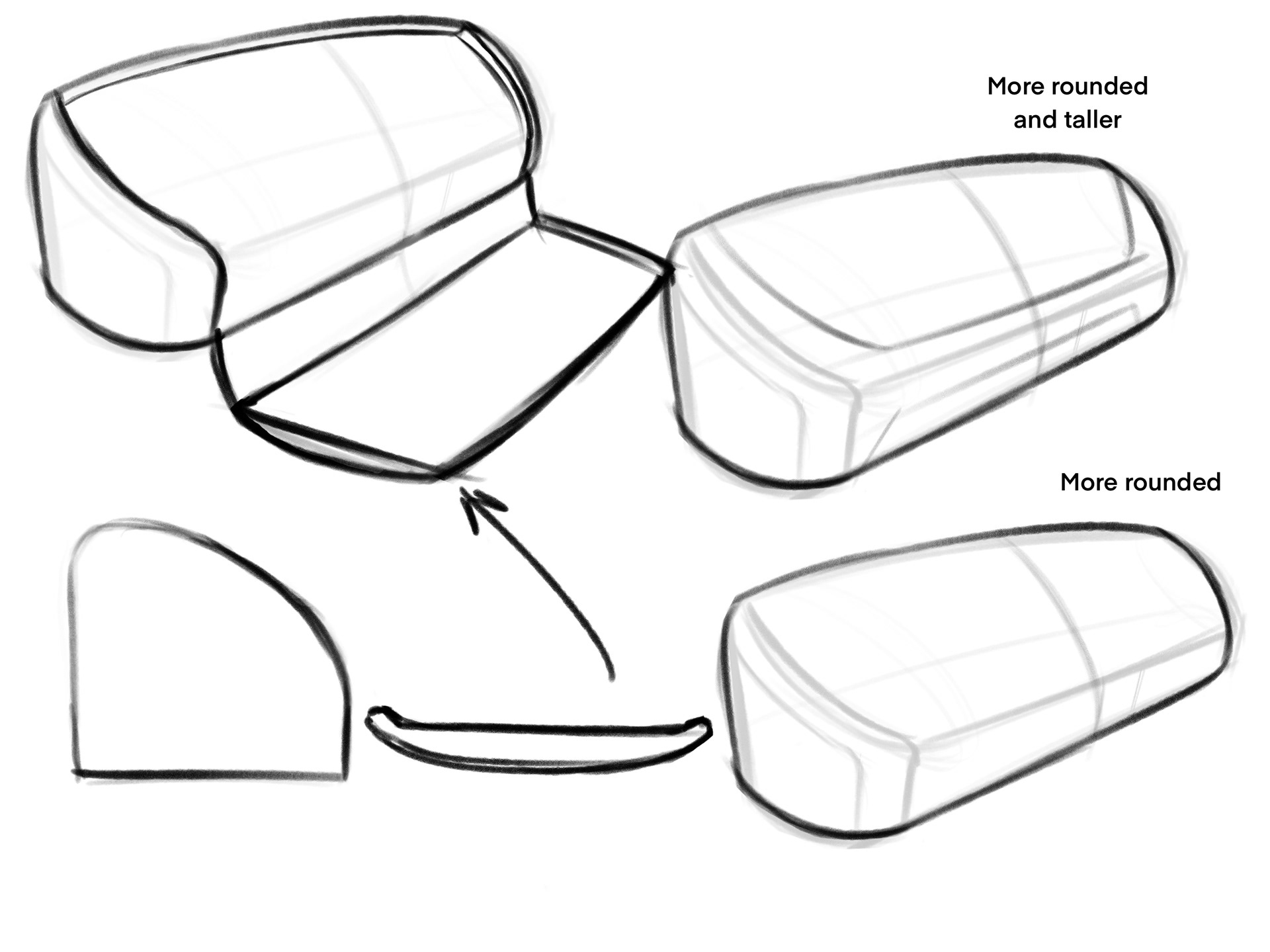
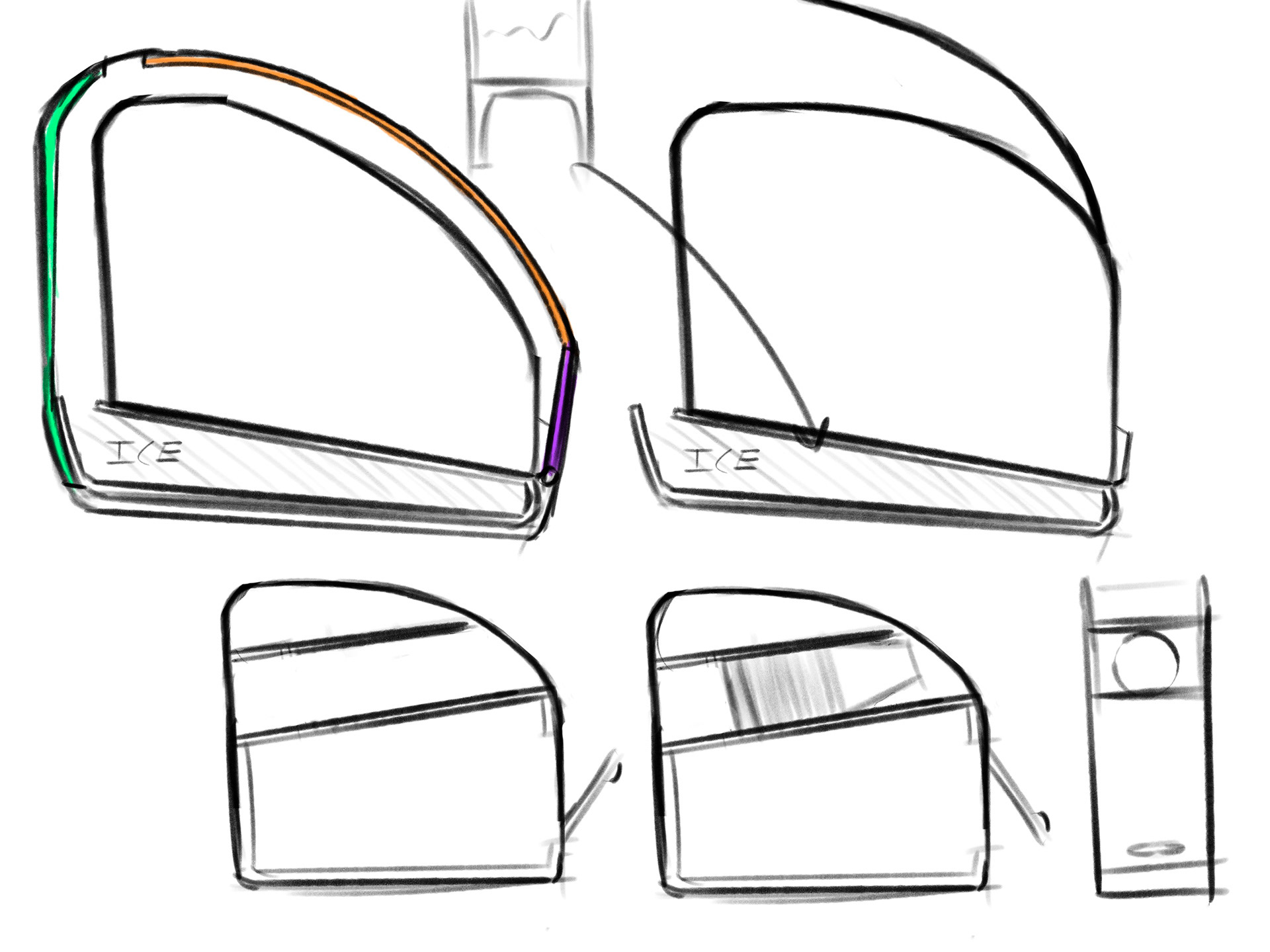
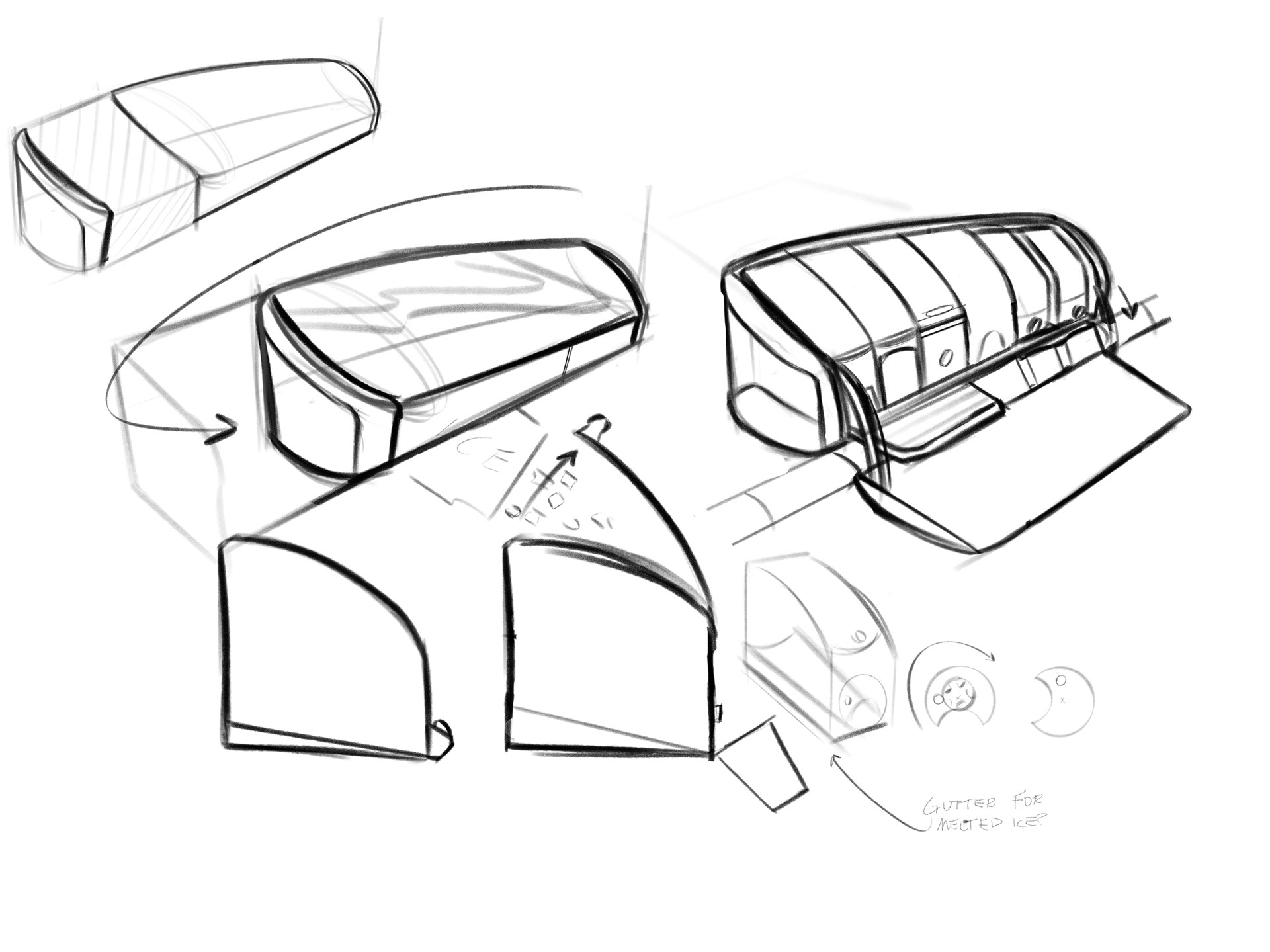
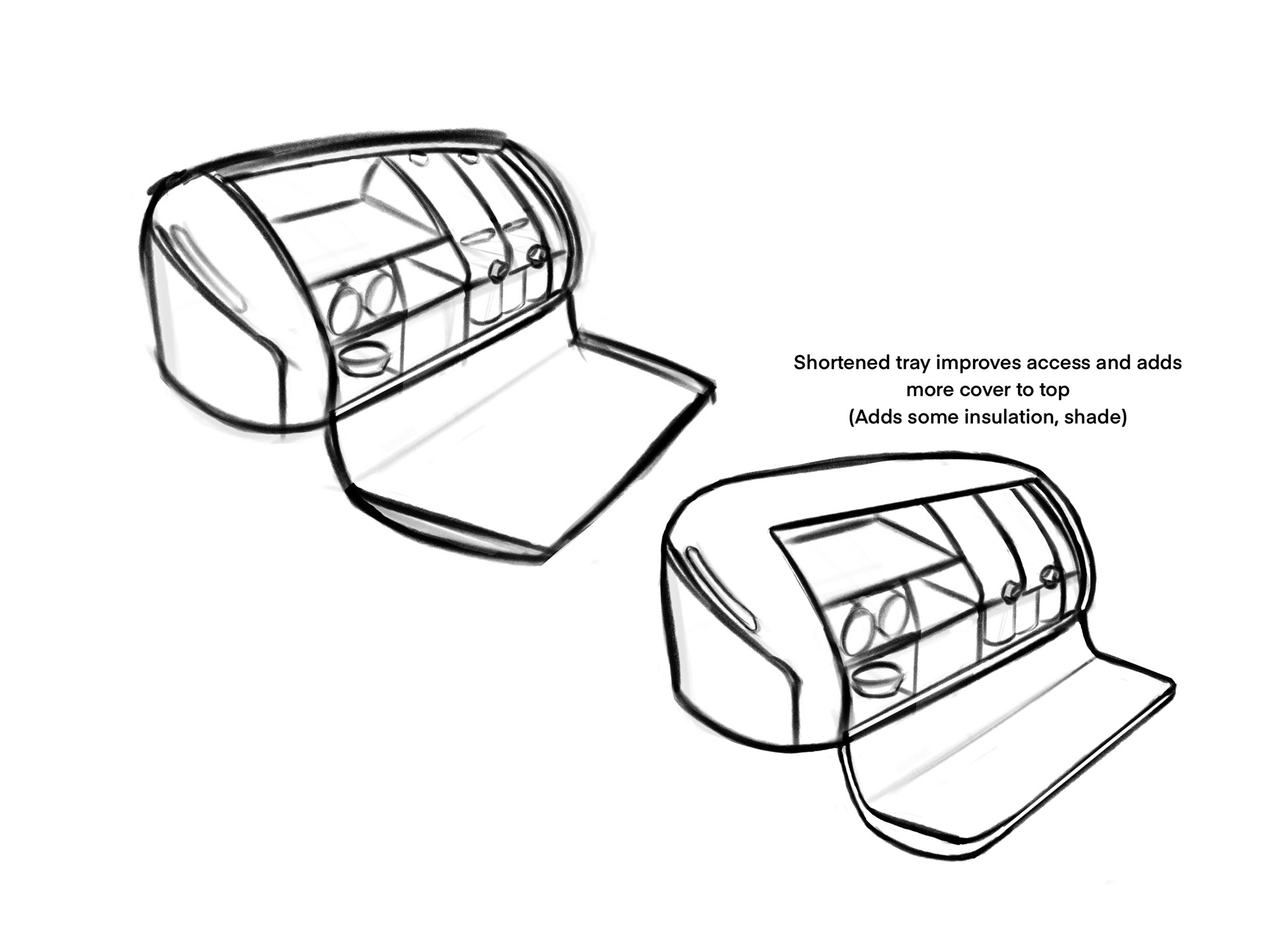
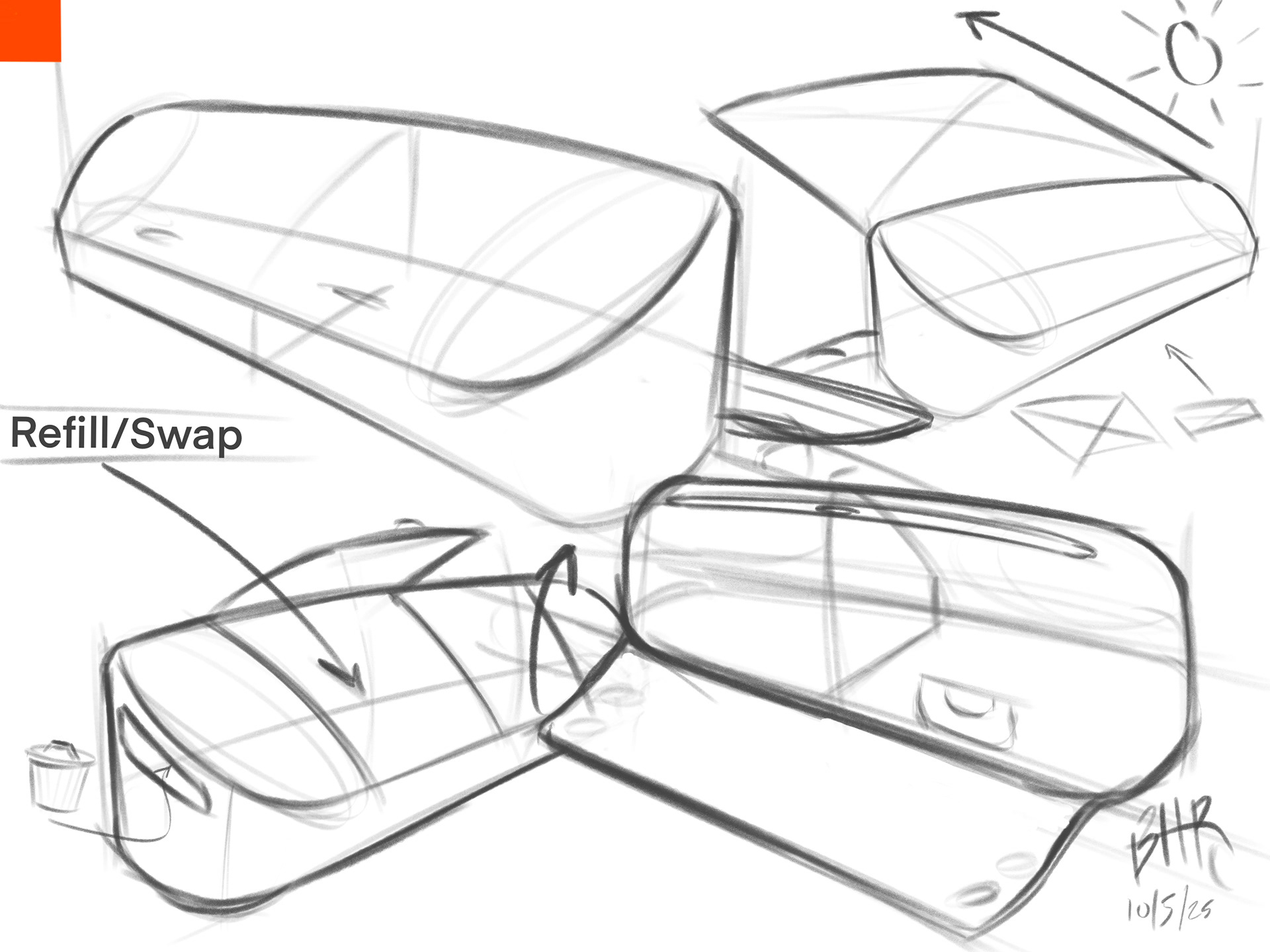
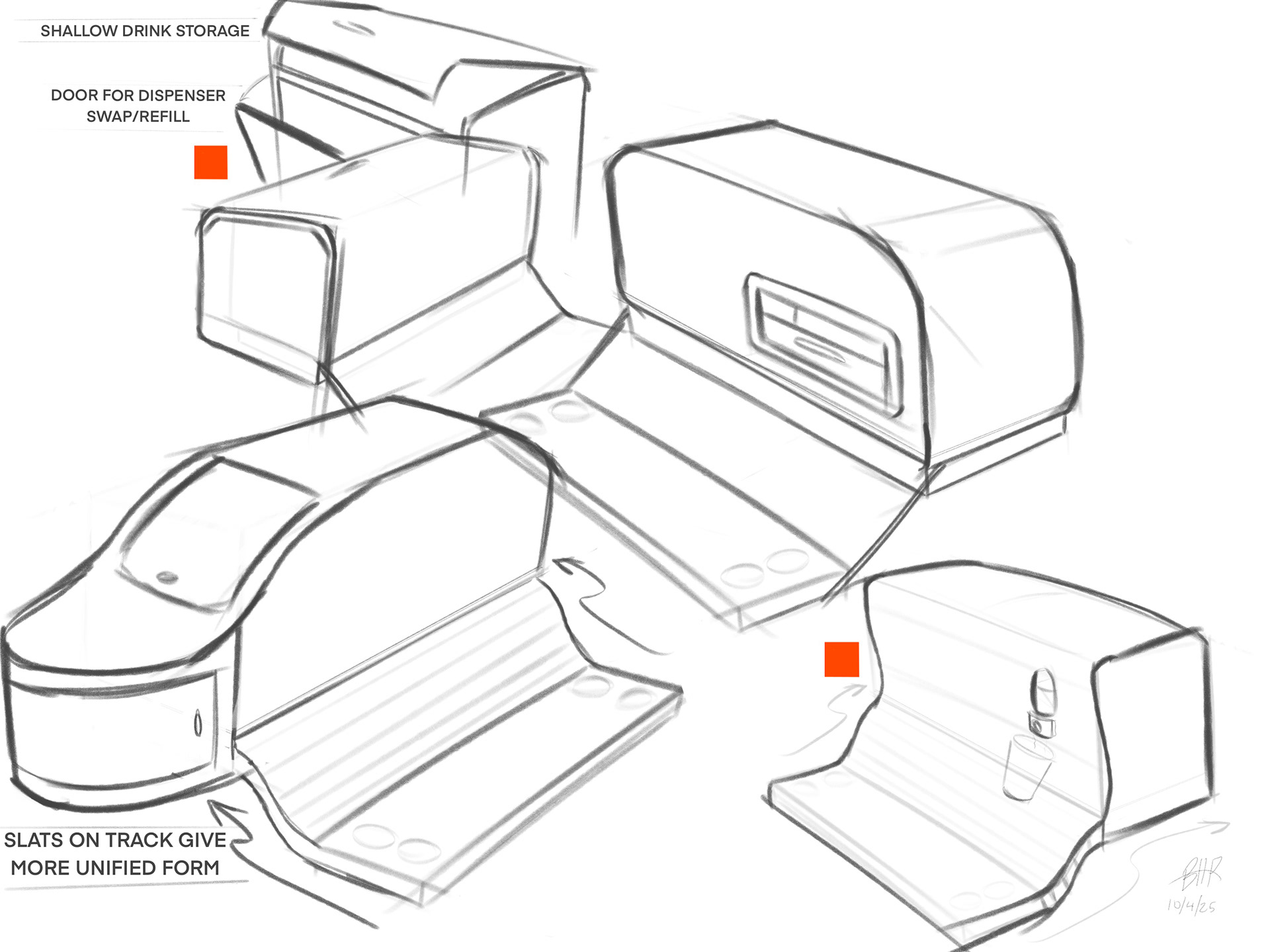
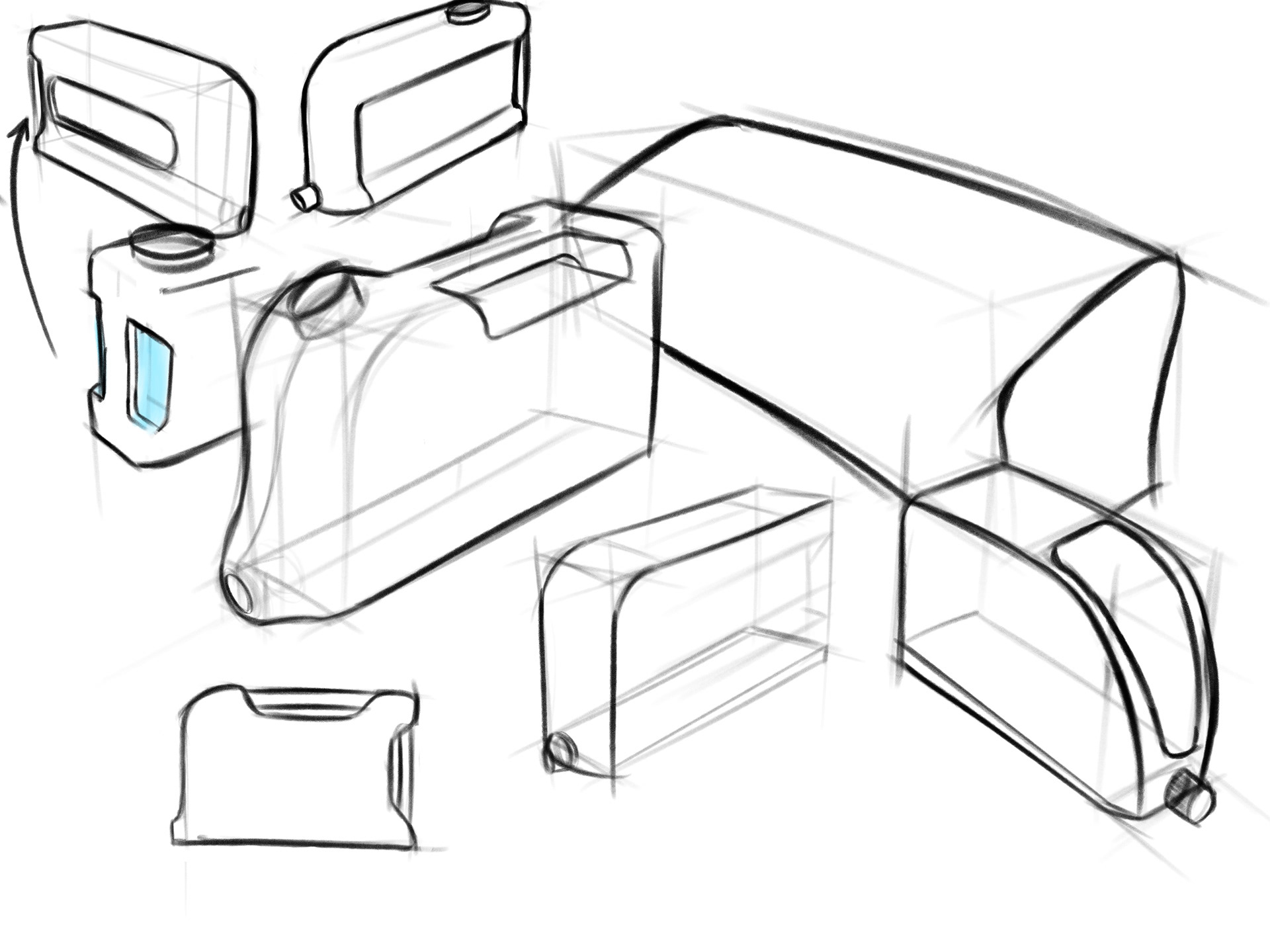
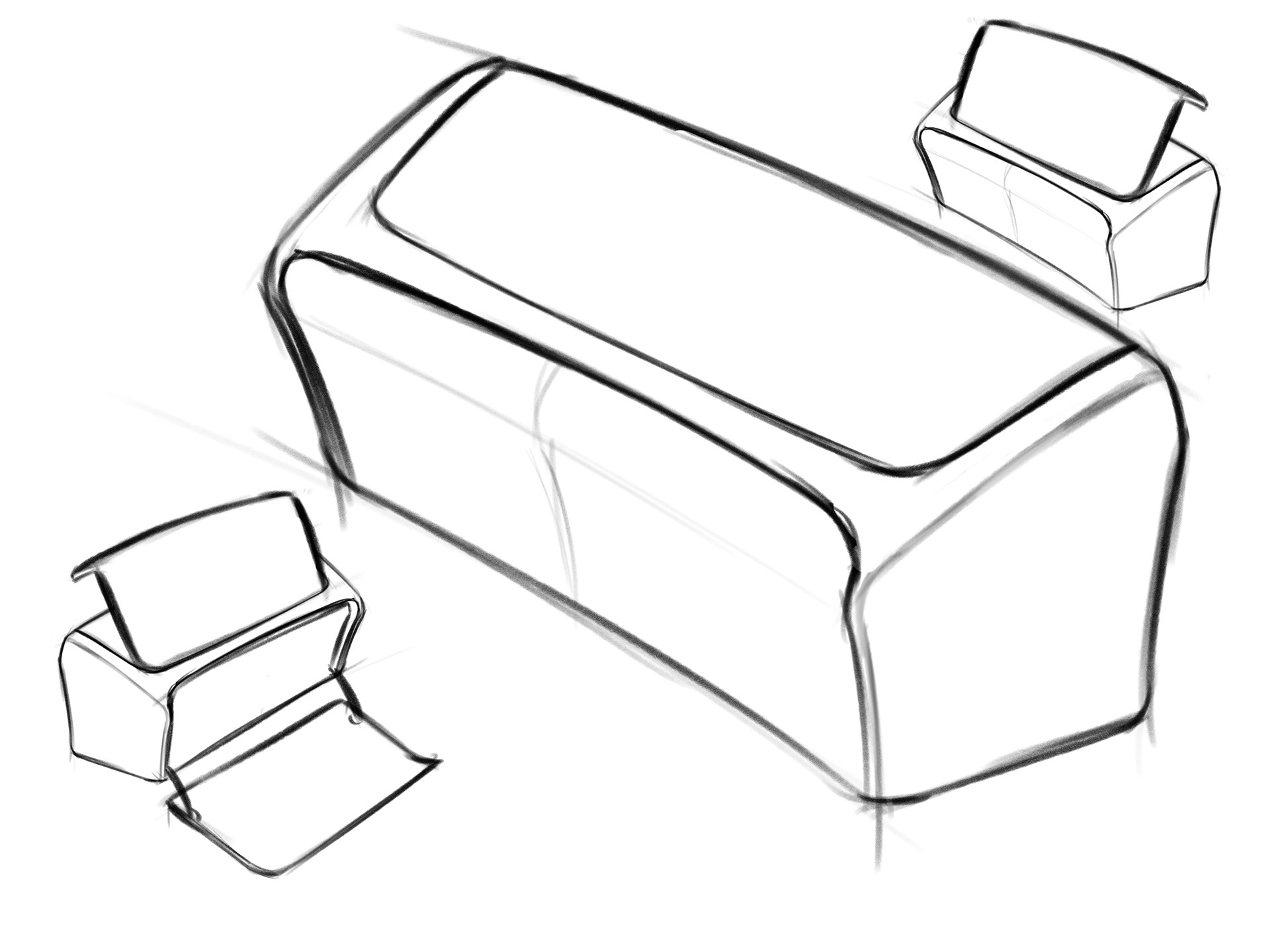
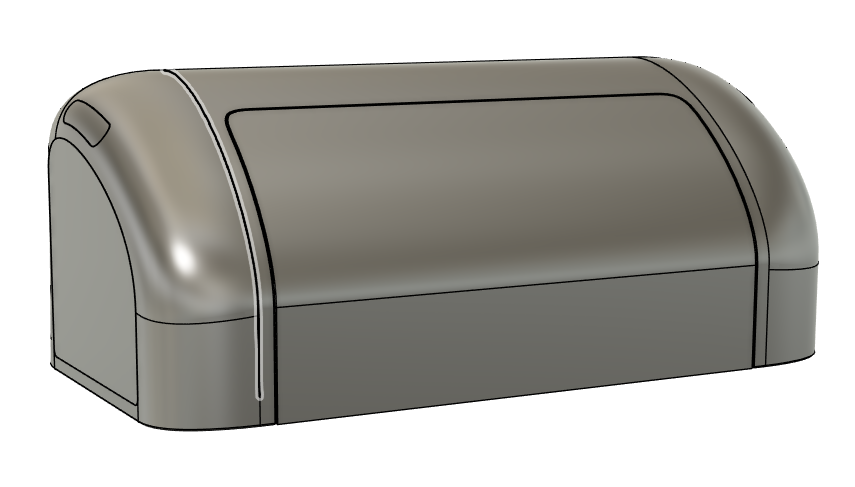
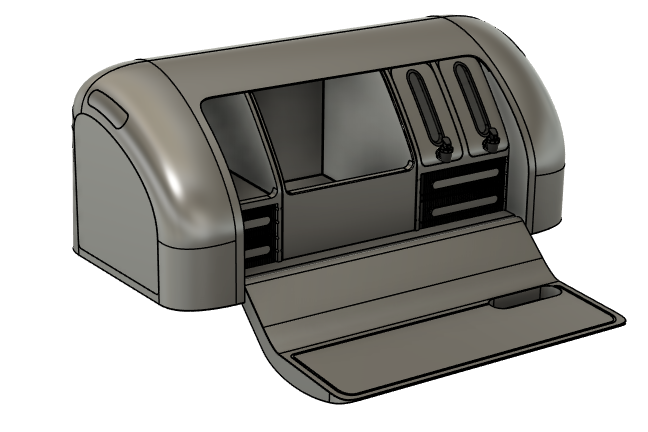
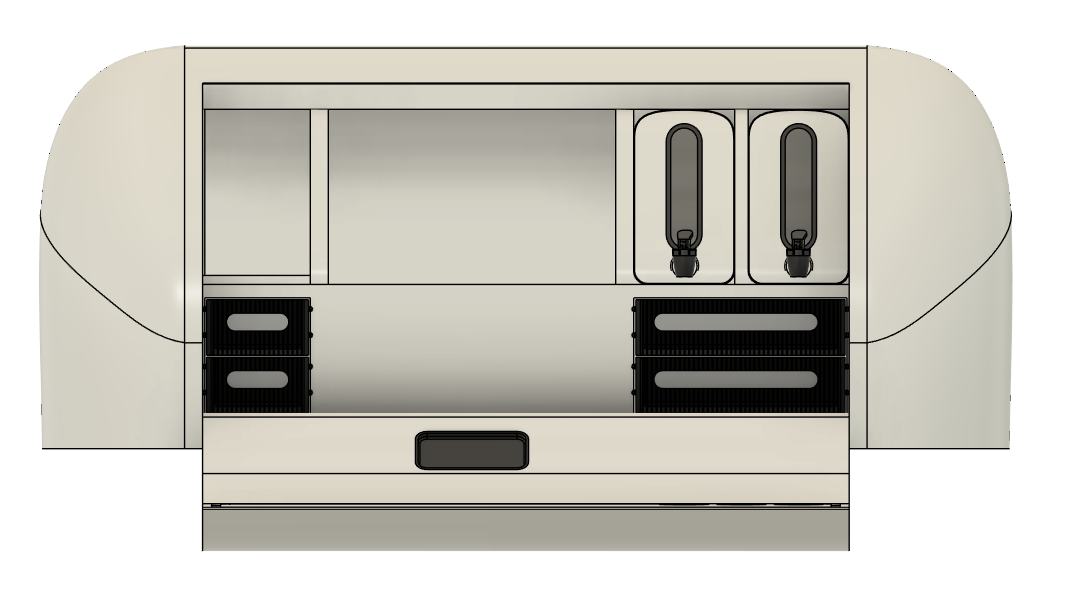
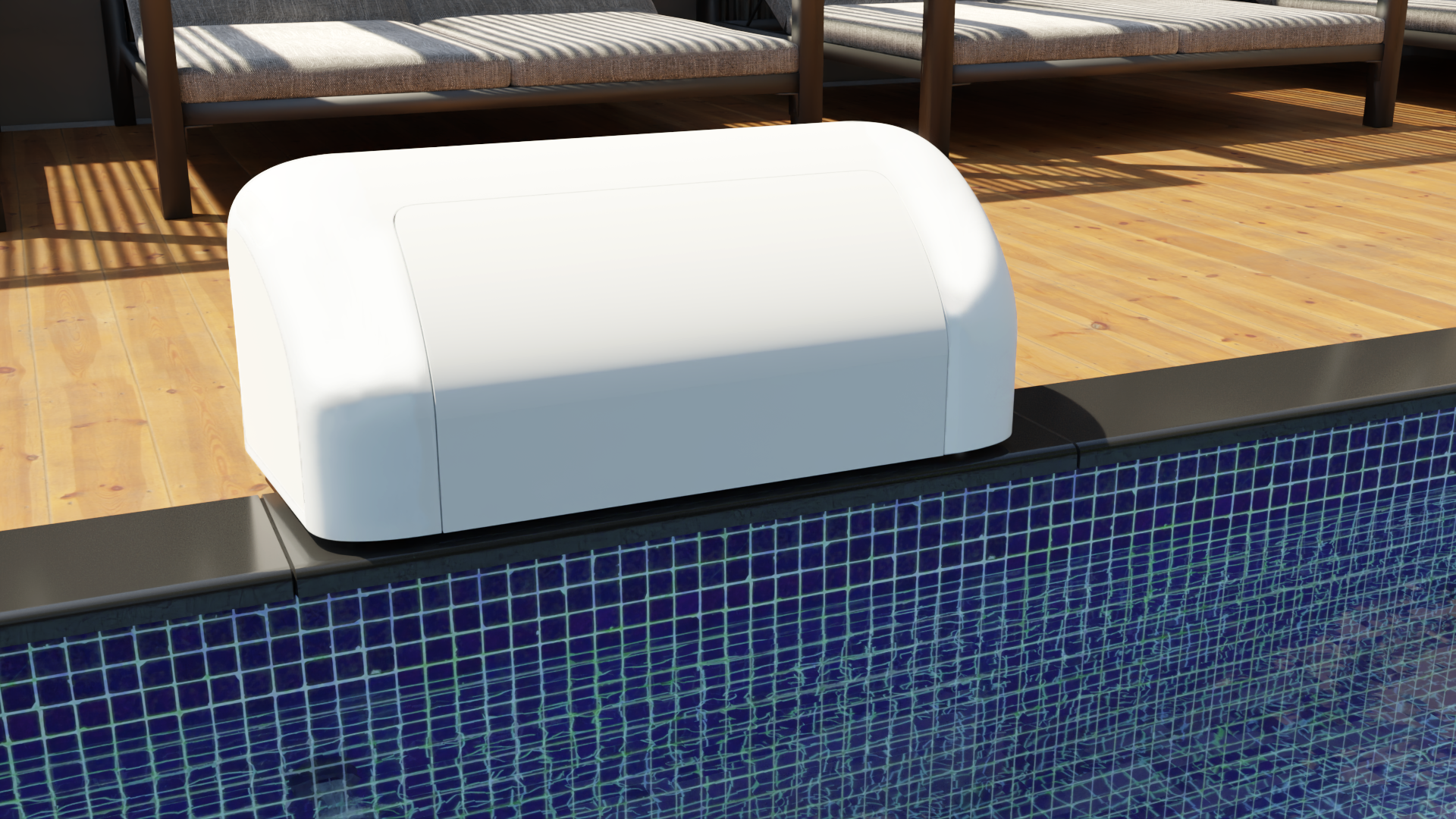
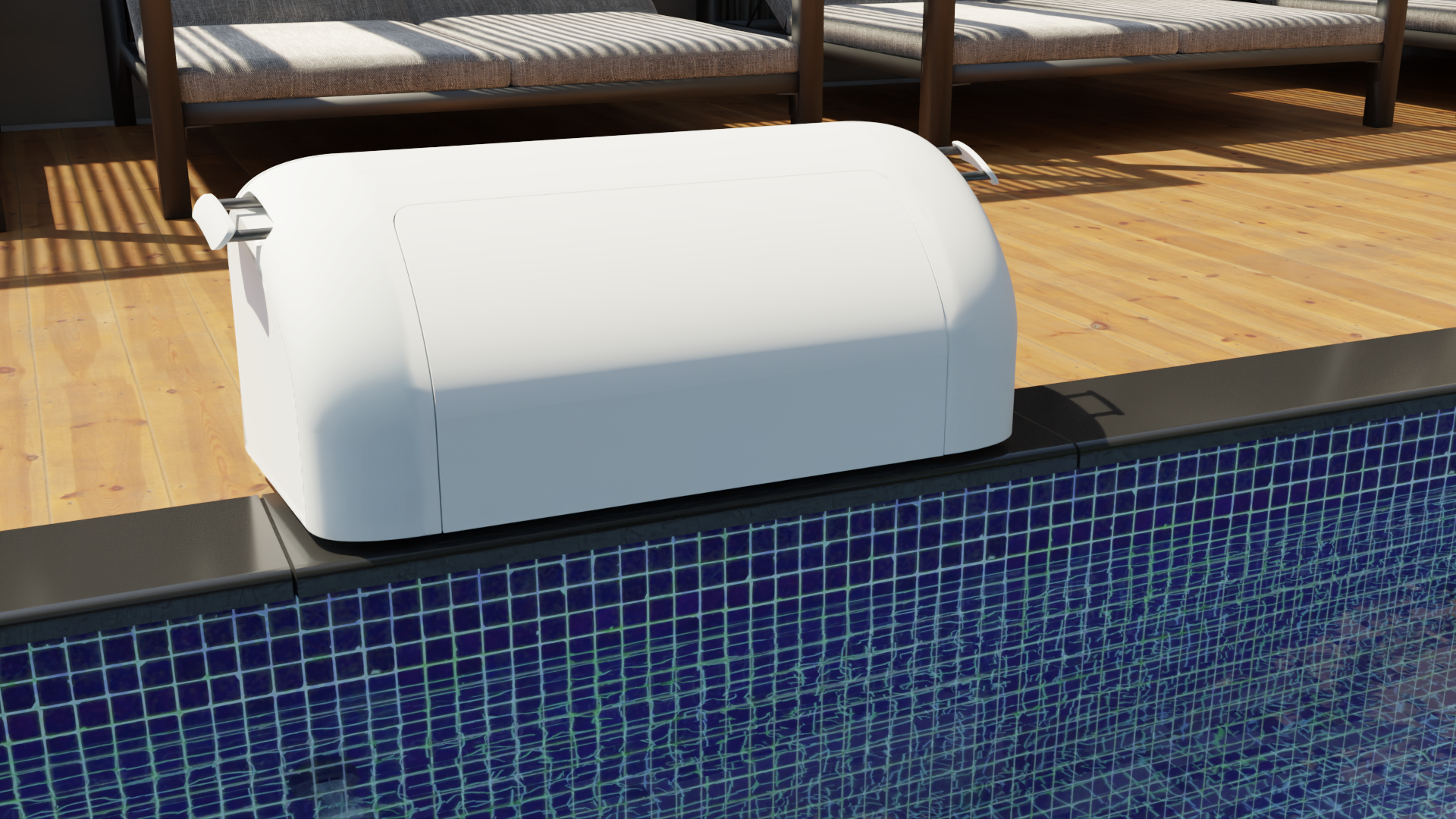
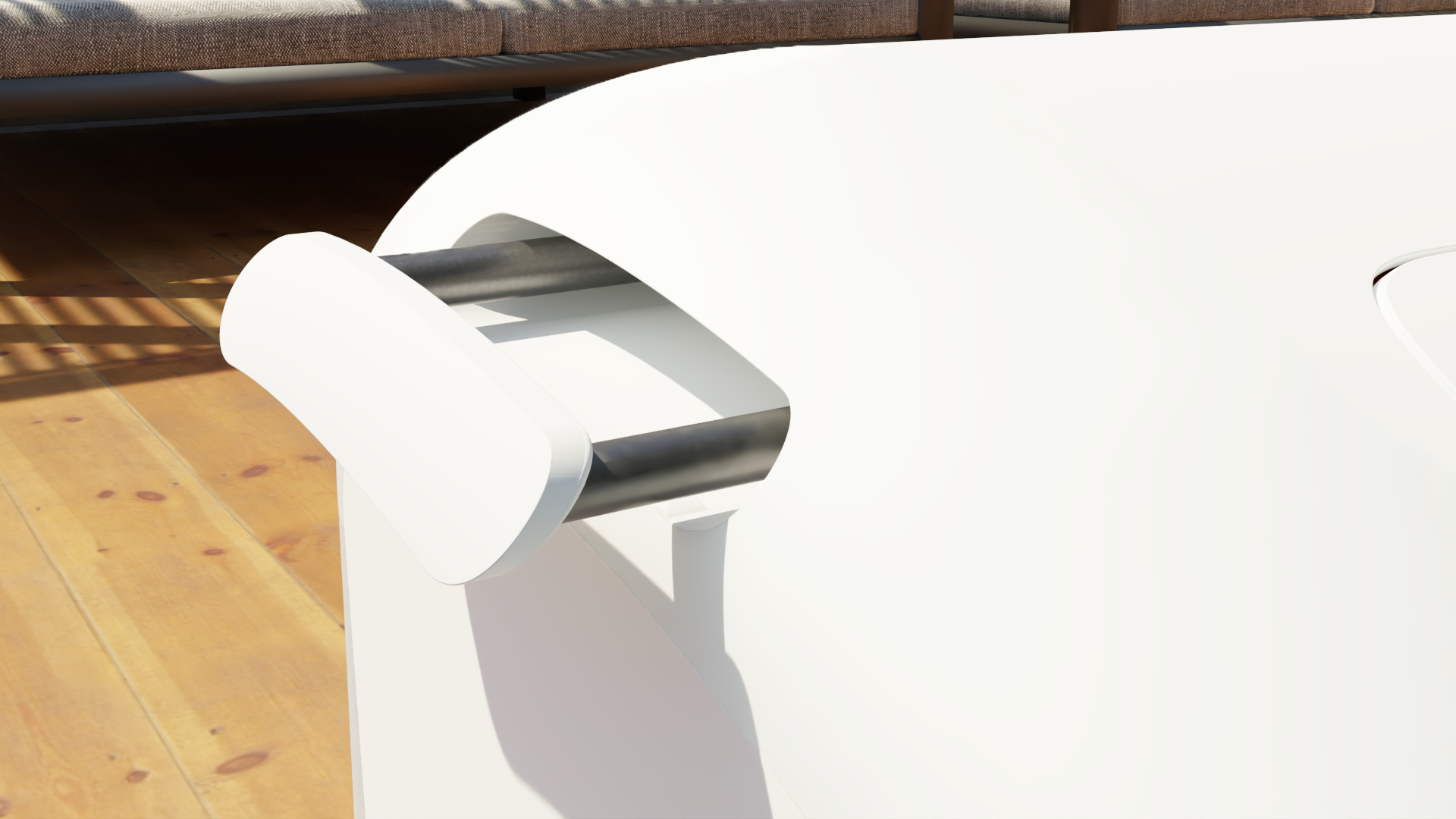
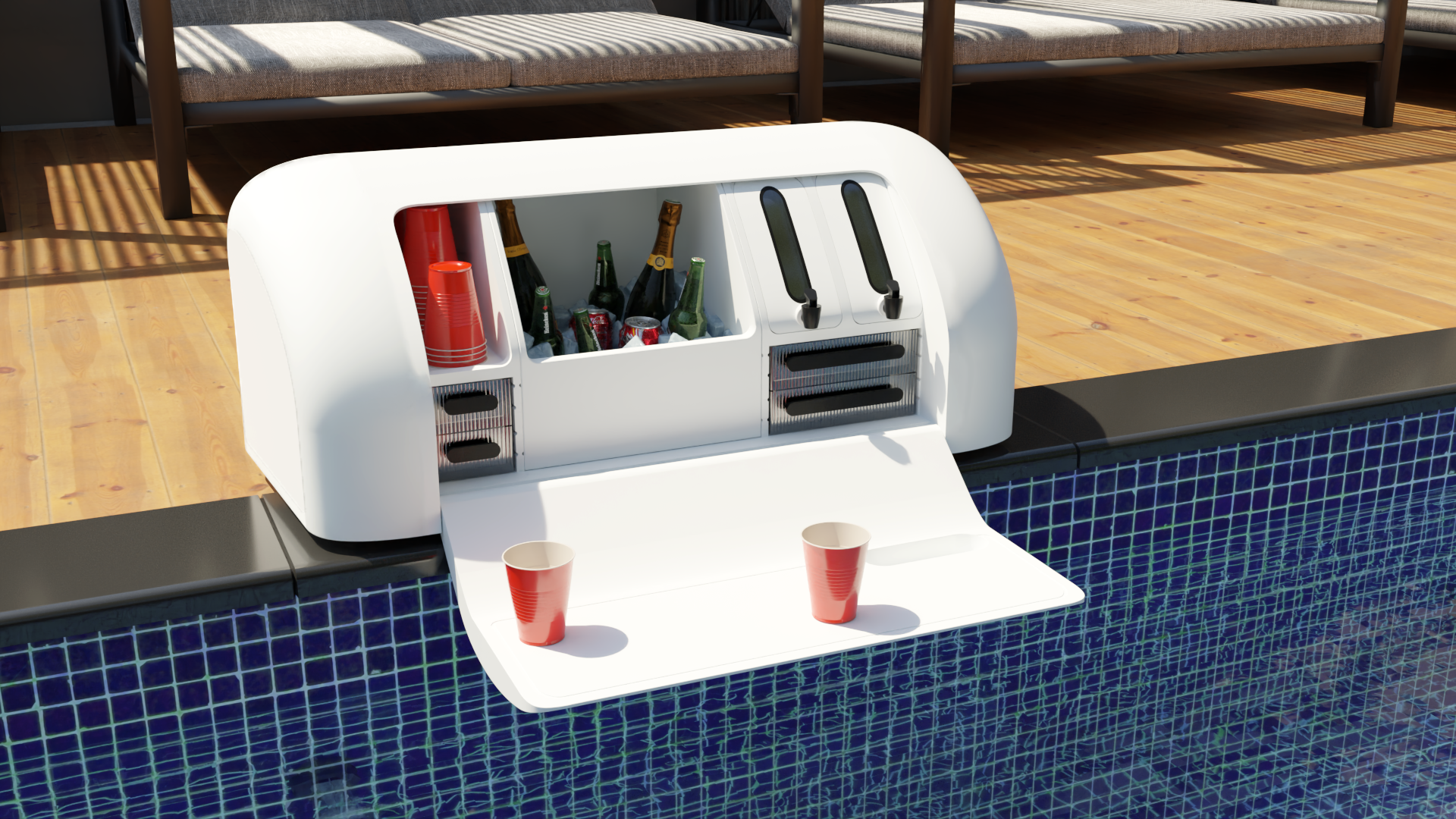
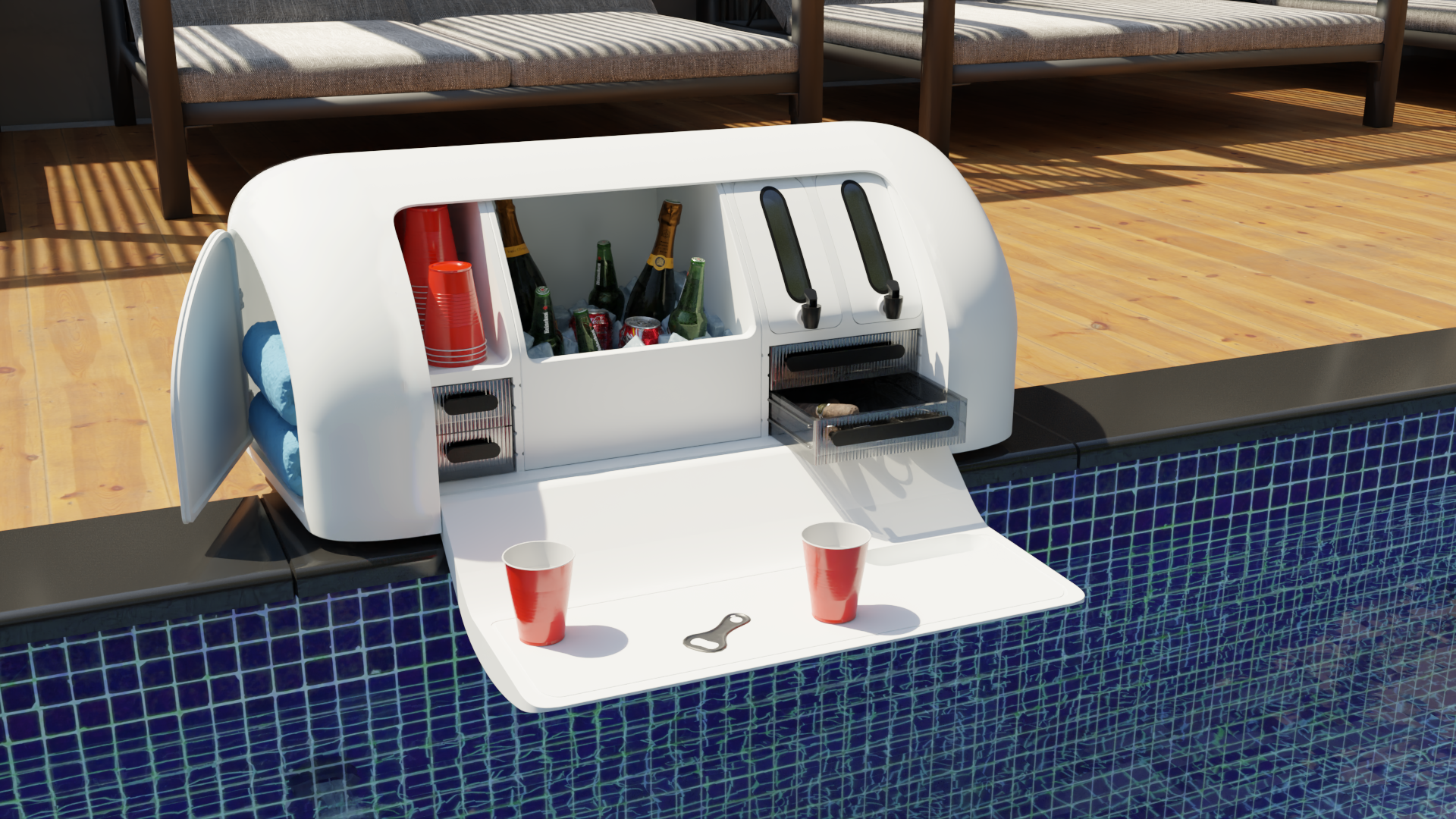
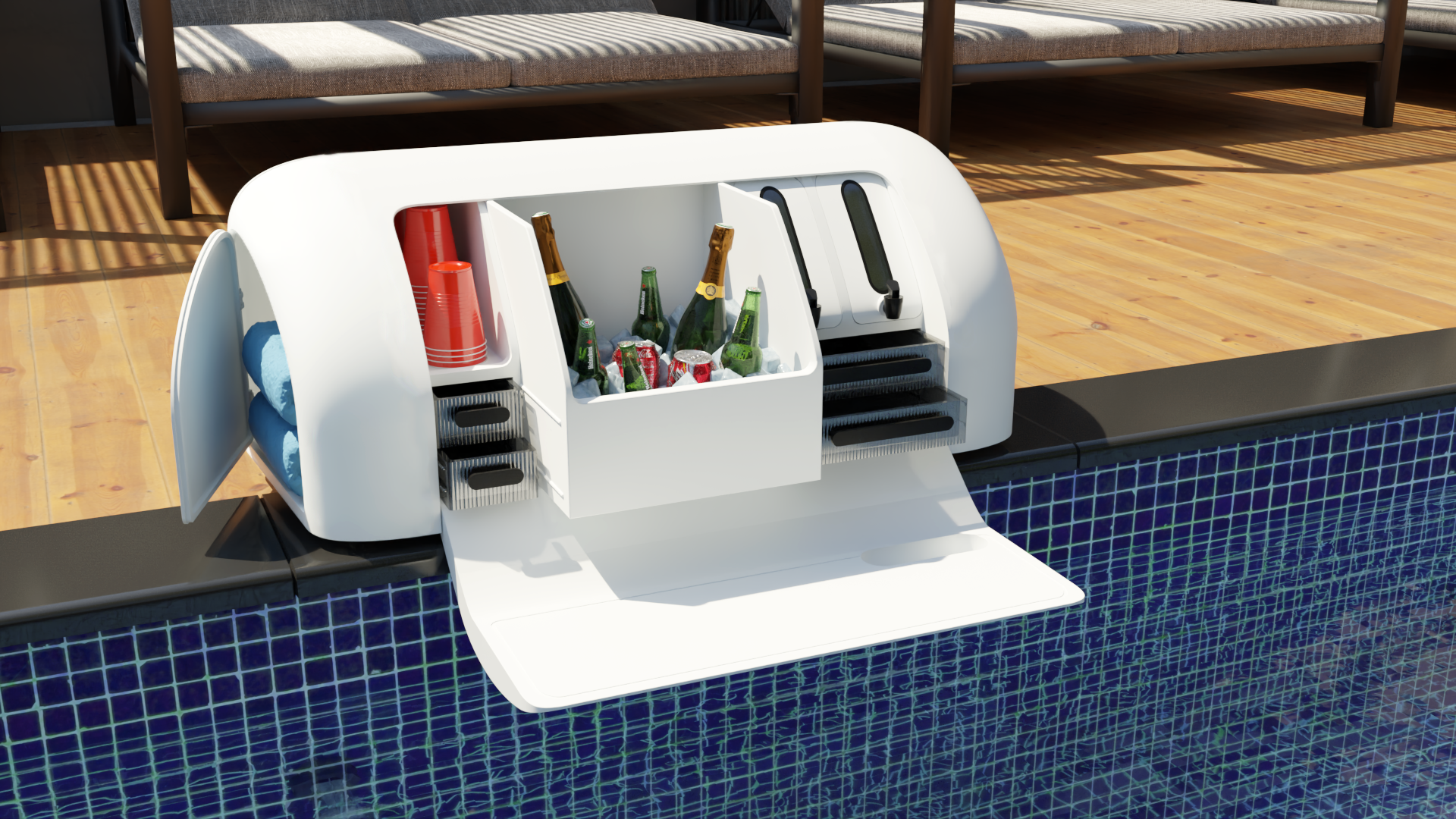
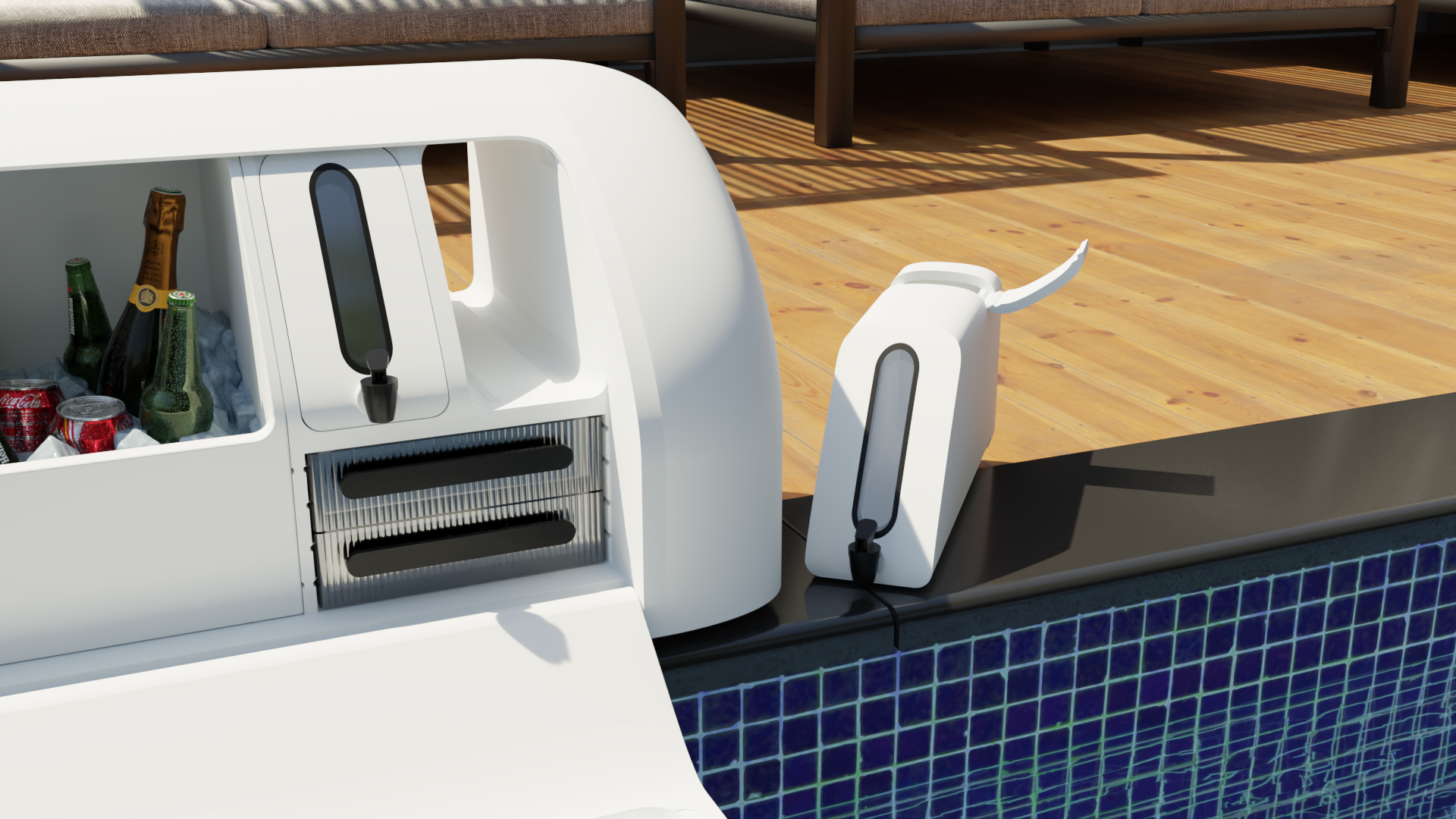
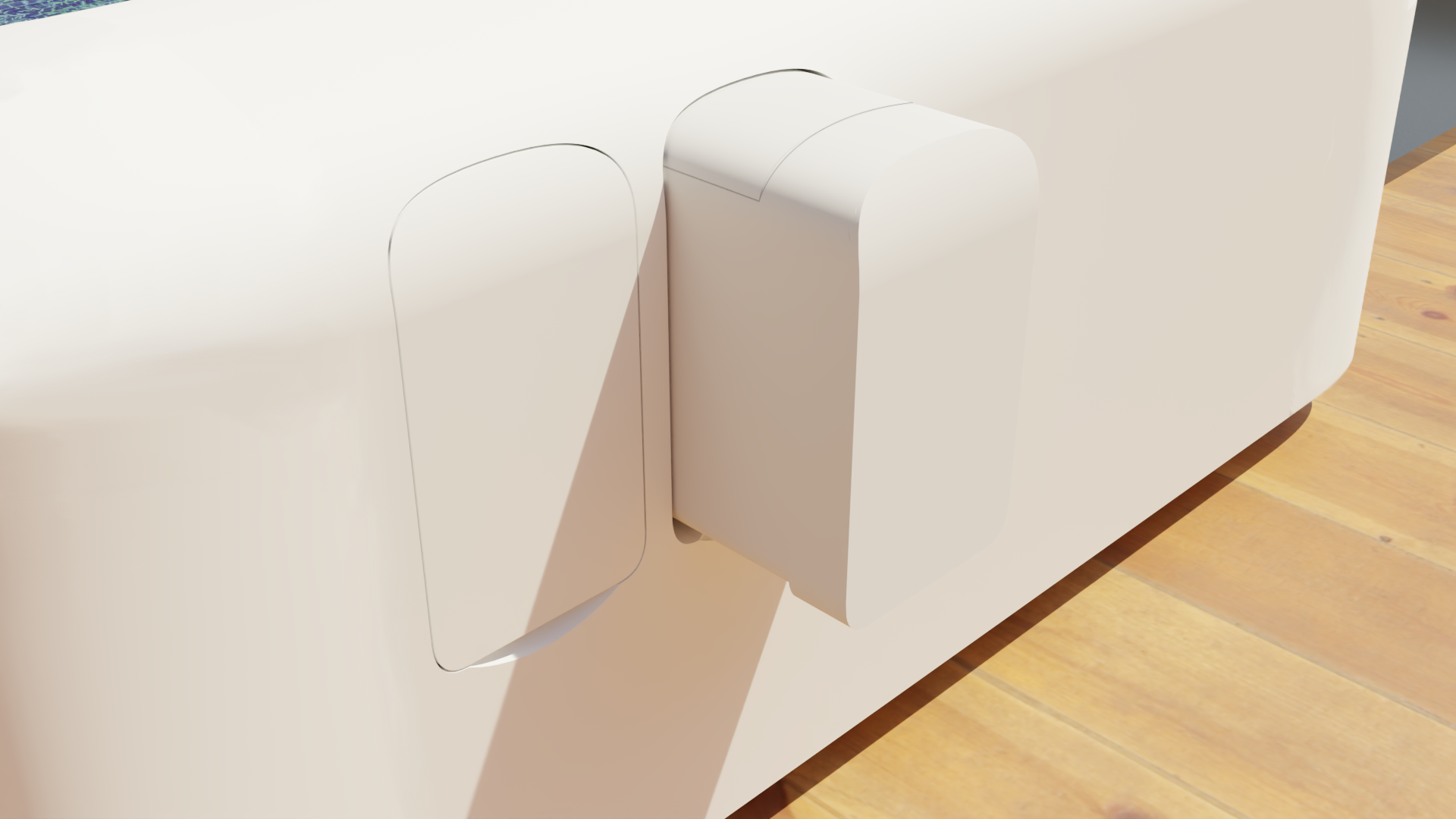
Below are the final renders of the Pooltender. This concept may change a bit more in the future post-EEP, but the current design includes a singular organic form that folds out into a bartending kit. The kit is complete with drink dispensers, a cooler for ice and drinks, and storage for cups, utensils, snacks, etc.
The drink dispenser modules slide out of the back of the device for easy refilling, and can hold nearly 3 gallons worth of liquid.
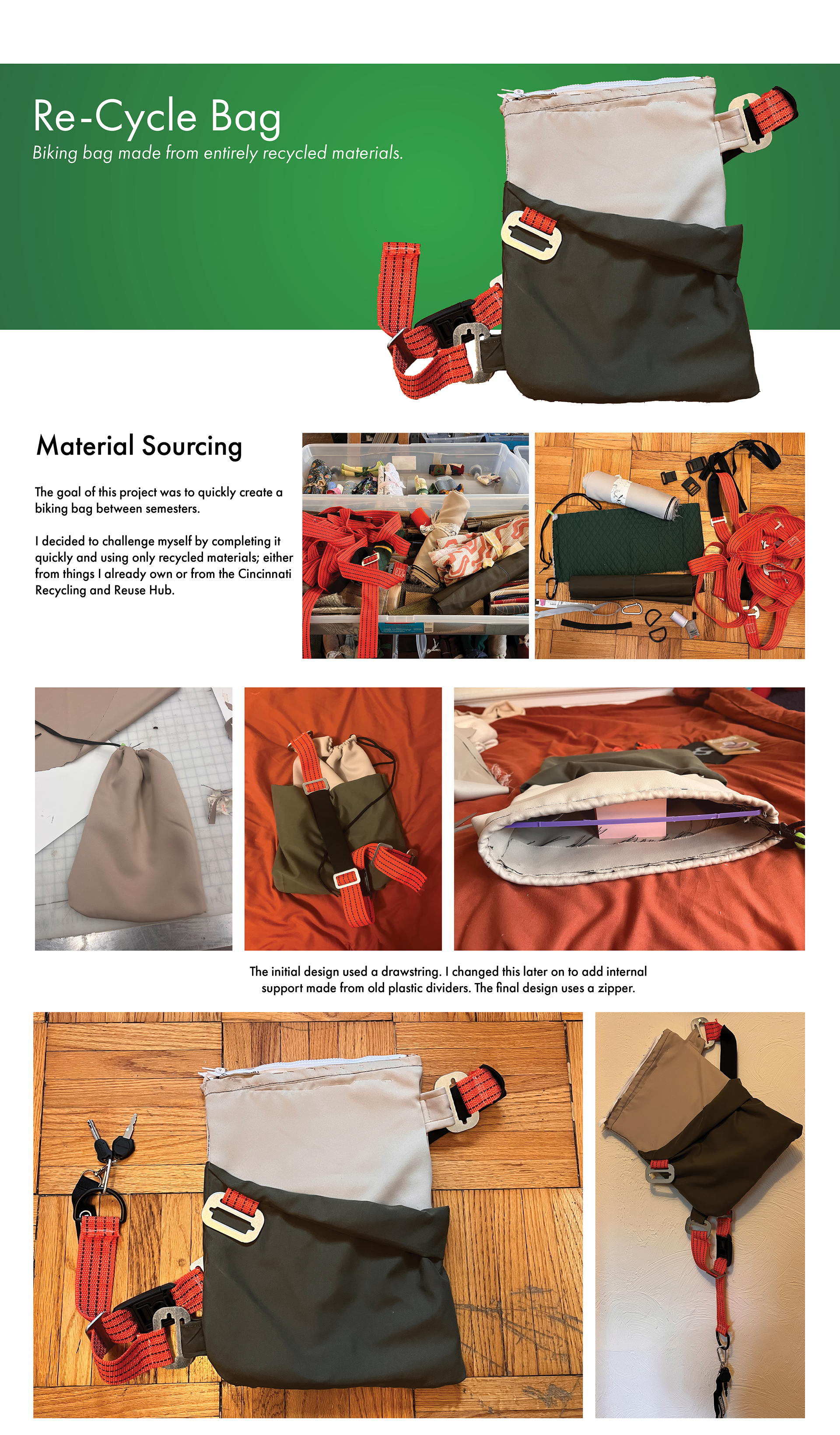
Below is a bag I made while waiting on feedback from my clients for the main project.
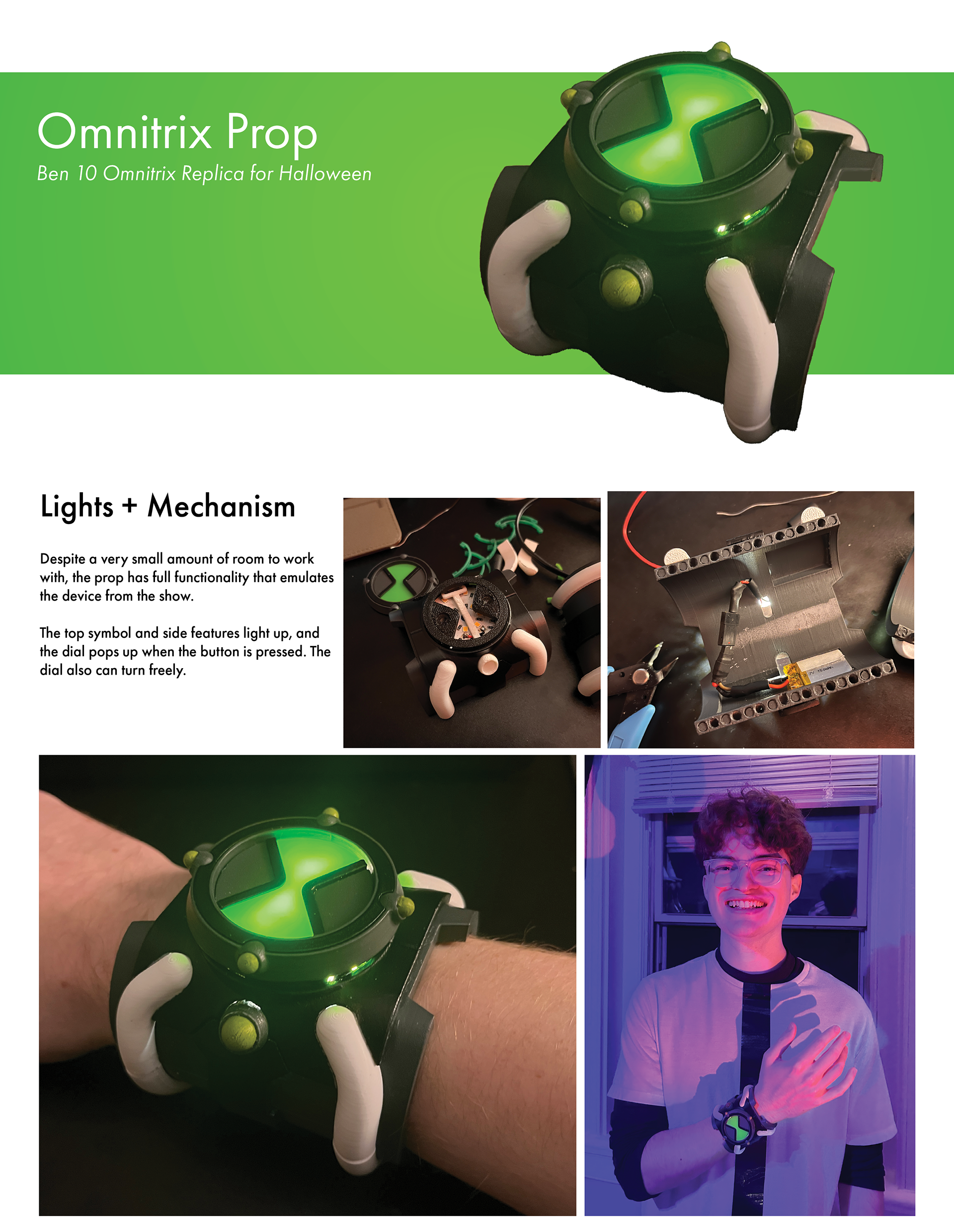
At the end of this EEP semester, I have completed 1 main project, 2 side projects, and have made significant progress on my capstone project. The capstone device's electronics and coding are nearly complete, but will evolve with the concept during the next semester.
I also will have some small miscellaneous additions to my website as I am working on another student's ghost film project, where I designed mechanisms for making picture frames fall off of walls on command, and created a breakaway table.